
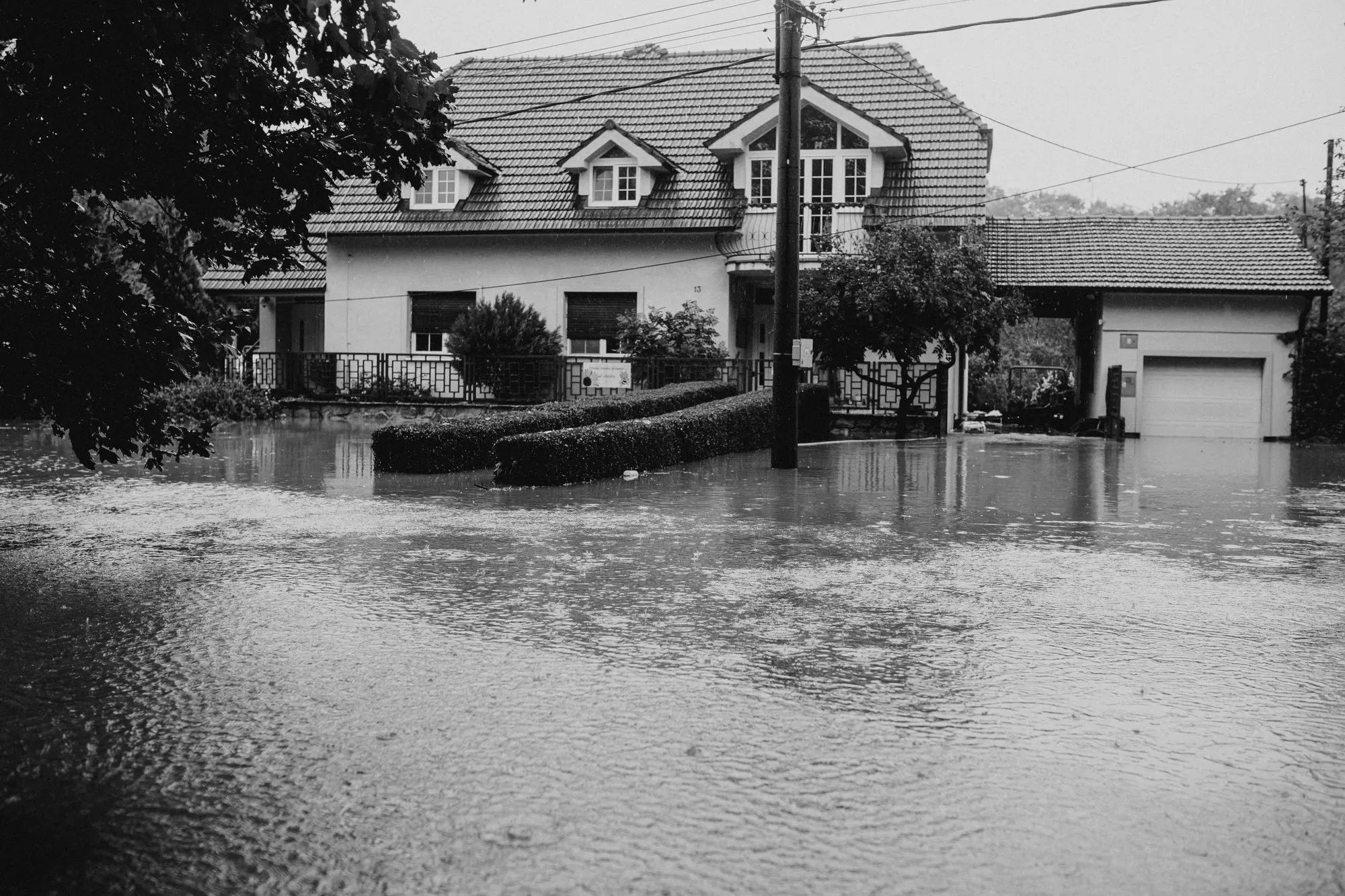
Water Damage Restoration in Gettysburg, PA
A pipe froze and let go. The water heater dumped forty gallons into the basement. The sump pump quit during a storm. You've got about two days before this becomes a mold job.
Why the first two days matter
The EPA puts it plainly: dry wet materials within 24 to 48 hours and in most cases mold won’t grow. Miss that window and you’ve moved from a drying job to a remediation job, which costs more, takes longer, and involves tearing things out that could have been saved.
This is where Chuck started. Before he opened this company, he was a project manager on the water damage side of a national restoration franchise. Drying is the foundation of mold work, and it’s the part most mold companies are weakest at. We hold the IICRC WRT certification for a reason.
Common causes we see around Gettysburg
- Frozen and burst pipes in cold snaps, especially in older homes with pipes on exterior walls and in vacant rentals nobody checked.
- Appliance failures. Water heaters, washers, dishwashers, and the classic slow supply-line leak under a kitchen sink nobody noticed for a year.
- Sump pump failures during spring storms and summer downpours, when the pump quits or the power goes out at the worst moment.
- HVAC failures while the house is empty. The system stops in July, humidity climbs past 60%, and mold gets a two-week head start before anyone comes home.
- Roof leaks and ice dams that run down inside a wall and show up as a stain on the ceiling below.
- Groundwater seepage through old stone and block foundations after heavy rain.
How a drying job goes
Stop the source. If it’s a plumbing failure, we make sure it’s shut off. If it’s a roof or foundation problem, we get the water stopped for now and tell you what needs fixing for good.
Extract. Standing water comes out first with extraction equipment. Carpet and pad get pulled if they’re soaked through. The faster the bulk water leaves, the less soaks into the framing.
Map the moisture. Pin and pinless meters on every wall, floor, and trim piece the water might have reached. Water travels farther than it looks. A wet spot in the corner usually means a wet wall two rooms over.
Set the equipment. Commercial LGR dehumidifiers pull moisture out of the air. Air movers push air across wet surfaces so that moisture can leave. The count and placement depend on the readings, not a formula.
Monitor daily. We come back, take readings, log them, and move equipment as areas dry. Materials have to reach dry standard, the moisture level of unaffected material in the same house, before we call it done.
Decide what stays. Drywall that got wet from a clean source and dried in time can often stay. Drywall that sat wet past the window, or got hit with gray or black water, comes out. Insulation that got wet almost always comes out.
What it costs
Water damage drying with no mold present runs about $1,300 to $5,400 for most jobs in this region. The drivers are how much water, how far it spread, whether carpet and drywall have to come out, what category the water was, and how many days of equipment it takes. If mold has already started, the job becomes mold remediation and the range changes. That’s the cost of waiting.
Insurance, and what we can say about it
Sudden, accidental water damage, like a burst pipe or a failed appliance, is usually covered by homeowners insurance. Slow leaks, seepage, and flooding from outside usually aren’t, and flood needs a separate policy. Most policies cap mold-related work somewhere between $1,000 and $10,000.
We document everything for your claim: photos, readings, the drying log, the scope. You have the right to choose your own contractor, even if your insurer suggests a preferred vendor. What we won’t do is tell you your claim will be approved or act as your adjuster. That’s not our job, and in Pennsylvania it takes a separate license.
Where the water came from matters
A dried-out basement with the same failed grading and clogged gutters will be wet again next spring. Part of every drying job is telling you what caused it and what it takes to keep it from coming back: a dehumidifier sized to the space, a sump pump with battery backup, gutters extended away from the foundation, a bath fan vented outside instead of into the attic. The basement and crawl space page covers the below-grade version of this in detail. Home has the full list of what we handle.
Frequently Asked Questions About Water Damage Restoration
The Water's Already Gone. Do I Still Need Drying?
Probably. Water that's gone from the floor is usually still in the drywall, the subfloor, the sill plate, and the insulation. Those read wet on a meter for days. If they're closed in wet, that's where the mold starts.
What Should I do Right Now, Before You Get There?
Stop the water if you can. Shut the supply valve, kill power to the area if outlets got wet, move what you can lift out of the water. Don't run the HVAC if the water might have reached the ducts. Take photos before you move anything, for your insurance.
Is a Sewage Backup Handled Differently?
Yes. That's Category 3 water. Anything porous it touched comes out, and the crew wears more protection. Don't try to clean it yourself. Clean supply-line water is Category 1 and gives us far more to save.
How do I Document This For Insurance?
Photos of the water and the source before cleanup, the date and time you found it, and our moisture readings and drying log. We provide the readings and a written scope. Report it to your carrier right away. Delayed reporting is one of the common reasons claims get denied.
Find the Water. Remove the Mold. Get Your Home Back.
(267) 828-9088Request an inspection- Started in Gettysburg in 2012
- IICRC AMRT and WRT certified
- 1-year warranty on every job
- Chuck is on the job, not just the phone