
Indoor Air Quality and Moisture Control in Gettysburg, PA
The house smells like a damp basement even upstairs. Someone's congested every morning and fine at work. A quote came in for duct sealing before anyone found where the water was. This page is about what actually moves the needle.
What’s actually in the air
Every house has mold spores in it. Every house has dust, dander, and pollen. The difference between a house that smells fine and one that smells like a wet basement isn’t the presence of those things. It’s moisture. Relative humidity above 60 percent lets the spores that are already there germinate on drywall paper, wood, dust, cardboard, and the back of the couch. The growth puts more spores and that earthy smell into the air, the HVAC moves it through the house, and now the upstairs bedroom smells like the cellar.
Chuck is still surprised how many people don’t realize that the mold, spores, and dander in a damp basement are in the air their family breathes every day. We take that seriously. We also don’t use it to sell anything. The fix is usually simpler and cheaper than the gadgets.
Where the moisture comes from
We find one of these on almost every air quality call:
- A basement or crawl space running over 60 percent all summer, from ground moisture through stone or block and humid air condensing on cold walls
- Bath fans that vent into the attic or don’t run long enough, dumping shower steam into the house
- Condensation on cold surfaces: uninsulated ducts, water lines, the north foundation wall, single-pane windows
- Poorly balanced heating and cooling. One room runs cold and damp while the rest of the house is fine, and that’s the room with the growth
- A slow hidden leak behind an appliance or inside a wall that’s been feeding a colony for years
- A tight, well-insulated house with almost no air exchange, which is most of what’s been built around Gettysburg since 2000. Great for the heating bill. Traps every bit of moisture the family makes
What we do about it
Read the house. Humidity in the basement, the main floor, and the attic, separately, because they run differently. Moisture meters on the usual suspects. A thermal camera on the cold spots. If the readings point to hidden growth, a mold inspection with air sampling confirms it.
Control the source. A dehumidifier sized to the basement, on a drain so nobody has to empty it. Bath fans ducted outside and put on a timer. Downspouts extended. Cold water lines and ducts insulated so they stop sweating. A vapor barrier in the crawl space. None of this is exotic. All of it works.
Remove what’s grown. If there’s active growth, that’s a mold remediation job and it happens before any air-cleaning equipment goes in. Filtering air over a colony is bailing a boat with the drain open.
Then the air side, if it’s warranted. Coil and drain pan cleaning, duct cleaning where the ducts are actually dirty or carried spores during an outbreak, a whole-house dehumidifier on the HVAC for houses that can’t hold 50 percent any other way, and a HEPA purifier as a last layer for a health-sensitive household.
The upsell problem
Duct cleaning, duct sealing, UV lights in the air handler, and whole-house purifiers all have a place. Ductwork and whole-home air quality can matter. Our issue is the order. Be careful with a quote that jumps to thousands of dollars of duct work before anyone has read the humidity or found the leak. The right sequence is: find the moisture, fix it, remove the growth, then add air equipment sized to the actual problem and priced fairly. Half the time the dehumidifier and the bath fan solve it and the duct quote goes in the drawer.
What it costs
A moisture and humidity assessment runs with our inspection pricing, about $250 to $350. A properly sized basement dehumidifier installed on a drain is in the range of $1,100 to $2,800 in this region. Bath fan rerouting, duct insulation, and crawl space vapor barriers are priced per job after we’ve seen it. If remediation is needed, that’s its own written scope. We’ll tell you which items are must-do and which are nice-to-have.
Health, said plainly
Damp and moldy homes raise the risk of respiratory symptoms, allergy flare-ups, and asthma attacks, and the risk is higher for infants, older adults, and anyone with asthma, allergies, or a weakened immune system. That’s the EPA and WHO position and it’s ours. We won’t tell you mold caused a specific illness in your house, and we won’t use the word toxic to sell a job. If someone’s sick, see the doctor. Then let us dry out the house.
The below-grade version of all this lives on the basement and crawl space mold page, the attic version on attic mold, and a leak that’s still wet goes to water damage and structural drying first. Home has the rest.
Our services
Frequently Asked Questions About Indoor Air Quality
Will an Air Purifier Fix The Musty Smell?
It'll catch some of the spores passing through it. It won't touch the colony that's making them or the damp wall it's growing on. Purifiers are fine as a last layer once the moisture is controlled and the growth is gone. As a first step, they're money spent on the symptom.
Is Duct Cleaning Worth it?
Sometimes. If the HVAC ran while there was mold in the house, or the coil and drain pan have growth, or the ducts are visibly dirty, yes. What we don't like is a duct cleaning or duct sealing quote that arrives before anyone has found where the moisture is coming from. Fix the water, then decide about the ducts, sized to the actual problem.
What Should The Humidity be in my House?
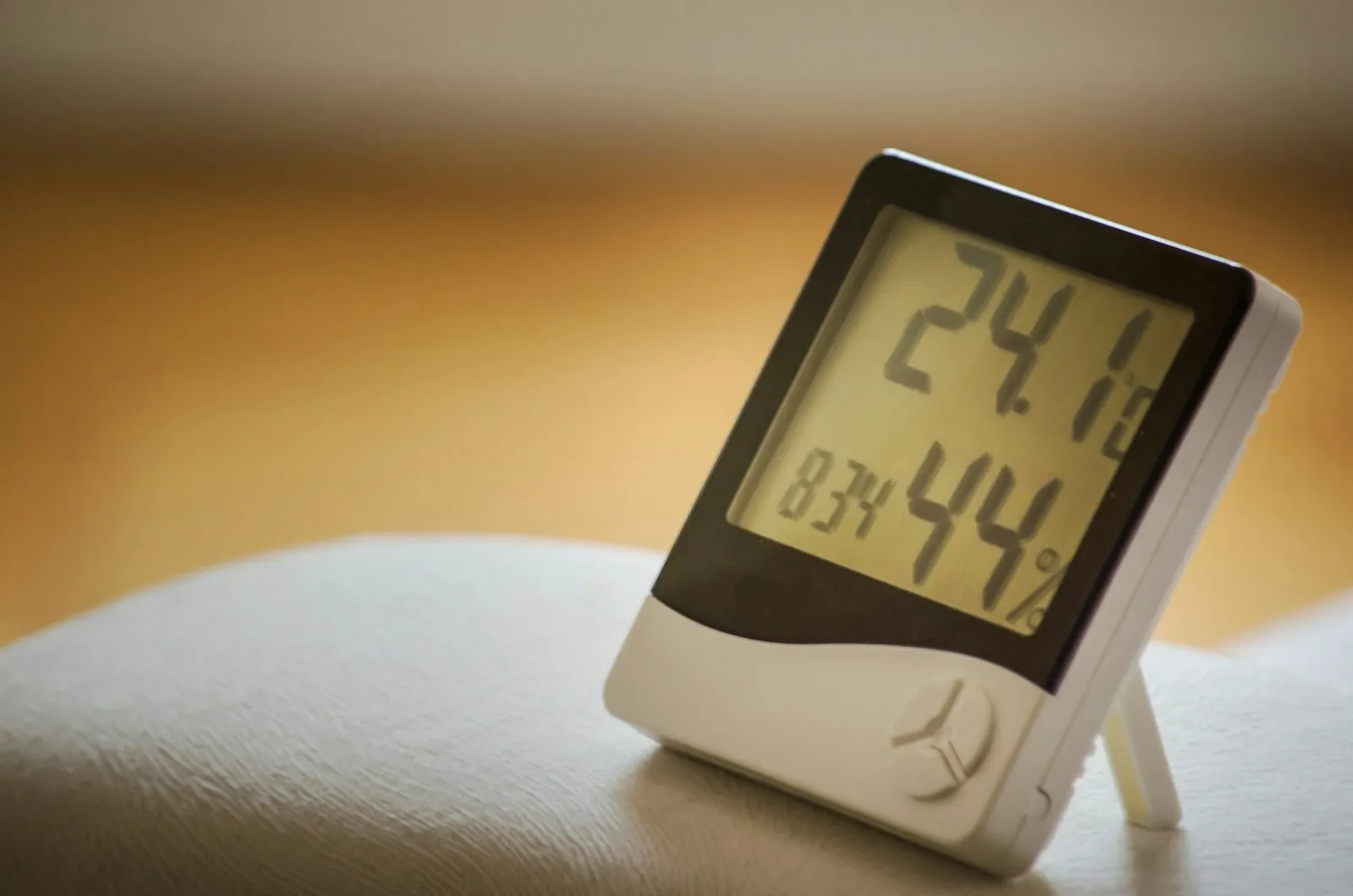
Between 30 and 50 percent. Above 60, spores germinate on almost any surface. A ten-dollar digital hygrometer in the basement and one on the main floor will tell you more about your air than most gadgets. If either reads over 55 in summer, the basement needs a dehumidifier sized to the space, not the small one from the hardware store.
Someone in The House Has Asthma. What do You Recommend?
Talk to their doctor about the symptoms, and let us look at the house. Damp, moldy homes raise the risk of respiratory symptoms and asthma flare-ups, especially for kids, older adults, and anyone with breathing or immune problems. Controlling moisture and removing growth is what changes the air. We won't tell you mold caused a specific illness, because we can't.
Find the Water. Remove the Mold. Get Your Home Back.
(267) 828-9088Request an inspection- Started in Gettysburg in 2012
- IICRC AMRT and WRT certified
- 1-year warranty on every job
- Chuck is on the job, not just the phone