Mold Testing and Inspection in Gettysburg, PA
Musty smell, no idea where it's coming from. Buying a house with a stain on the basement wall. Kid's been coughing since the washer leaked. Those are the calls this page is for.
When testing earns its cost
Most of the time we can find mold without a lab. A moisture meter, a thermal camera, and twenty years of knowing where water goes will locate the problem in the first hour. Testing is for the cases where that isn’t enough:
- A musty smell with no visible source. Growth inside a wall cavity, under flooring, or behind a built-in.
- After a leak or flood where you want to know whether it spread past the room you can see.
- A home purchase or sale. Buyers want numbers. Sellers want documentation that the problem was handled.
- Unexplained allergy or breathing symptoms that get better when you’re away from the house. Your doctor handles the symptoms; we handle the house.
- Clearance after remediation, especially on insurance jobs or when a health-sensitive person lives there.
If you call us with a 3-foot patch of growth on a bathroom ceiling and ask for an air test, we’re going to tell you to skip the test. If we can see it, you don’t need to pay a lab to confirm it.
What an inspection includes
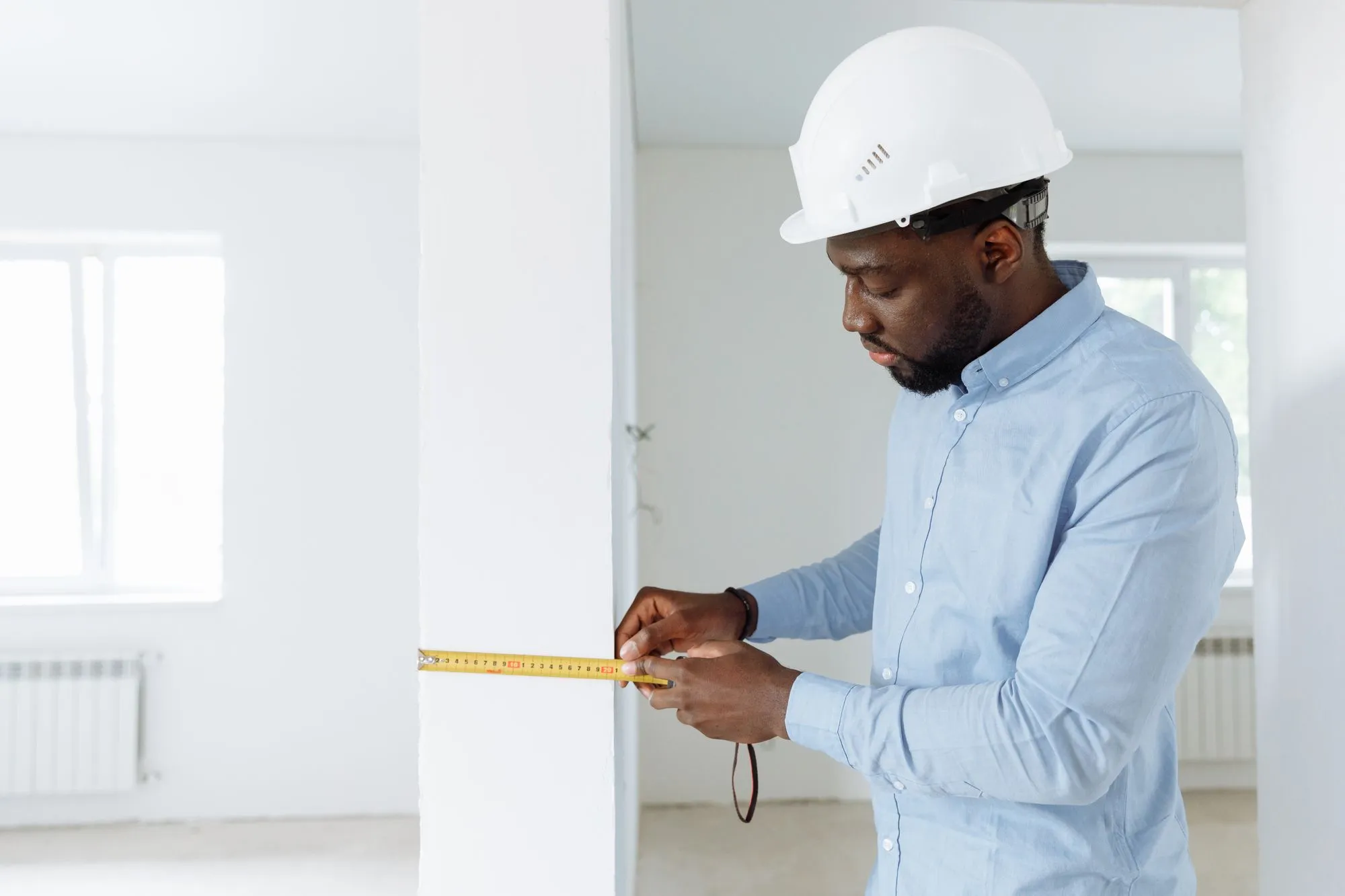
We walk the whole house, not just the room you called about. Mold in one place usually means moisture in more than one place.
Moisture mapping. Pin and pinless meters on drywall, trim, subfloor, and framing. Wet materials read wet long before they look wet.
Thermal imaging. A cold spot on a wall in July is usually water. The camera finds it without cutting a hole.
Humidity readings. Indoor relative humidity above 60% lets spores germinate on almost anything. We check the basement, the main floor, and the attic separately because they run differently.
The water source. Plumbing, roof flashing, bath fan venting, gutters and grading, sump pump, condensation on cold surfaces. This is the part that matters. Fixing mold without fixing the water is a waste of your money.
A written report. What we found, where, how wet, what caused it, and what we recommend. If the recommendation is “not a remediation job,” the report says that.
Air quality testing, when we do it
We use spore trap air samples with an outdoor control, sent to an accredited lab. Turnaround is usually one to three business days. When growth is suspected inside a wall, a wall cavity sample through a small hole tells you what’s behind the drywall without opening it up.
We don’t run DNA dust tests like ERMI for single-home decisions. The EPA developed that method for research, not clearance, and the results tend to scare people more than inform them.
What it costs
Inspection and testing in this region usually runs about $250 to $350. Air sampling with three to five samples and a lab report adds to that. Where yours falls depends on the size of the house, how many samples make sense, and whether a wall cavity sample is needed. We’ll tell you before we take any samples what each one costs and what it’s for.
The conflict of interest, and how we handle it
Some states won’t let the company that tests for mold also remove it, because a remediator has an incentive to find work. Pennsylvania doesn’t have that rule. We inspect and we remediate, so here’s how we keep it honest:
- We tell you when you don’t need a test.
- We tell you when the growth is small enough to handle yourself.
- Every scope comes with photos and moisture readings you can hand to another company for a second quote.
- If you want an independent inspector to do the clearance test after our work, we’ll work around their schedule.
If a quote from anyone, us included, seems built around the biggest possible scope, get a second opinion.
After the inspection
Three outcomes. Either it’s a small job you can handle and we tell you how, or it’s a mold remediation job and you get a written scope and price, or the mold is secondary and the real problem is a wet basement or a leak, which sends you to water damage and structural drying first. Either way, you’ll know what you’re dealing with before you spend anything on cleanup. Back to the home page for the full list of what we do.
Our services
Frequently Asked Questions About Mold Testing
Do I Need a Mold Test if I Can Already See The Mold?
No. The EPA says sampling is usually unnecessary when growth is visible, and we agree. The species doesn't change the cleanup. Spend the money on finding the water source instead.
What do The Air Sample Results Actually Mean?
There are no federal limits for mold spores, so no home passes or fails against a government number. The lab compares your indoor counts to an outdoor control sample and flags water-damage indicator species. Higher inside than out, or the wrong species, points to hidden growth.
Do You Test Your Own Work After Remediation?
We take our own moisture readings and do a visual and odor check before containment comes down. If you want independent post-remediation verification from a third-party inspector, we welcome it. Ask and we'll build it into the schedule.
Can I Use a Home Mold Test Kit From The Hardware Store?
You can, but the petri dish will grow mold in almost any house because spores are in every house. It doesn't tell you where growth is or whether it's a problem. Save the money.
Find the Water. Remove the Mold. Get Your Home Back.
(267) 828-9088Request an inspection- Started in Gettysburg in 2012
- IICRC AMRT and WRT certified
- 1-year warranty on every job
- Chuck is on the job, not just the phone