
Hanover mold remediation for brick rowhomes and postwar basements
Hanover is the biggest town we serve and the one with the widest spread of housing ages. That changes what we expect to find before we open the truck door.
Three kinds of Hanover houses, three kinds of mold
Roughly a third of Hanover’s housing was built before 1940 and another third between the 1940s and 60s, with the rest spread across the subdivisions that grew up around the borough in the decades since. We see all three, and each one fails differently.
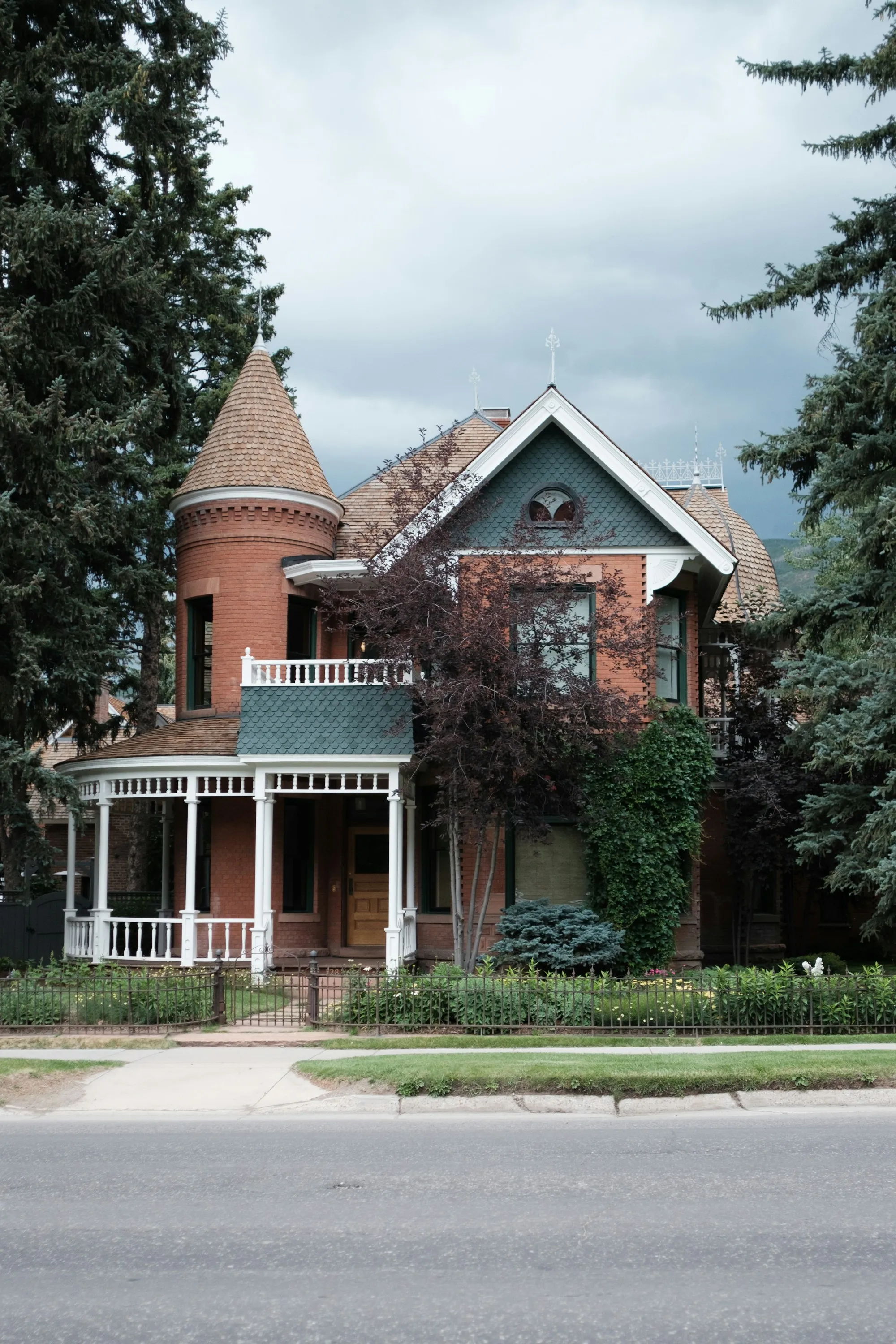
The borough core. Brick rowhomes and twins from the late 1800s through the 1920s along streets like York Street and Philadelphia Street, many with stone or early block cellars that were never meant to be dry. These basements wick ground moisture through the masonry, sweat every humid summer, and hold a hundred years of stored boxes. The mold shows up on the joists, the bottom of the stairs, and anything cardboard.
Postwar ranches and capes. Block foundations, first-generation waterproofing that’s long gone, and original cast-iron drains that leak slowly into the wall. These are the houses where someone finishes the basement with carpet on the slab and drywall against the block, and calls us five years later about the smell.
Penn Township and the newer rings. 1980s through 2000s colonials and townhomes. Here it’s rarely the foundation. It’s a supply line behind the fridge, a bath fan dumping into the attic, or a sump pump that quit during a spring storm while the house was tight and the AC was off.
What a Hanover job looks like
The process doesn’t change with the ZIP code. We find the moisture source, contain the area, remove the material that’s grown on, HEPA-clean and treat what stays, dry it to standard, and put the room back. Full details are on the mold remediation page. What changes is where we look first.
In the borough core we start at the foundation and the grading. In a rowhome we check the party wall, because water on one side ends up on both. In the newer neighborhoods we start at the plumbing and the attic hatch, and we trace every bath fan duct to where it actually ends, which is more often the insulation than the roof.
Attics in Hanover
Hanover has a lot of 1950s through 90s roofs with bath fans that were never ducted outside. The staining on the north-facing sheathing is the giveaway. That’s a ventilation and air-sealing fix first, then cleaning the wood. Read attic mold for why it’s usually not the roof.
When there’s water on the floor
Frozen pipes in the older borough homes and sump failures in the township subdivisions are the two Hanover calls that can’t wait. Wet drywall and subfloor start growing mold in 24 to 48 hours. If it’s wet right now, the water damage and structural drying page tells you what to do before we get there, and the phone number is at the top.
The rest of the list
Not sure whether that smell is mold or just an old basement? A mold inspection with a moisture meter and a thermal camera settles it, and we’ll tell you if you don’t need us. For the below-grade version of everything above, basement and crawl space mold goes deeper on stone foundations and efflorescence. And if you want to know who’s driving over from Gettysburg, the mold remediation company behind this page is on the home page.
Our services in Hanover
Questions we hear a lot
How fast can you get to Hanover from Gettysburg?
It's a 25-minute drive on the Hanover Road. For an active leak or flood we treat it like a Gettysburg call. For an inspection we can usually get there within a few days.
My Hanover rowhome shares a wall with the neighbor. Does that matter?
It can. Moisture and mold don't stop at a party wall, and a leak on their side can show up on yours. We'll check the shared wall with a meter and tell you if the source is next door, which is a conversation you'll want to have early.
Our house in Penn Township is from the 90s. Is mold really a problem in newer homes?
Different problem, same fungus. Homes from the 80s and 90s tend to get it from failing roof flashing, window seals, and sump pumps, plus bath fans that were vented into the attic when they were built. Tighter construction means less air exchange, so humidity builds faster once something leaks.
- Started in Gettysburg in 2012
- IICRC AMRT and WRT certified
- 1-year warranty on every job
- Chuck is on the job, not just the phone