
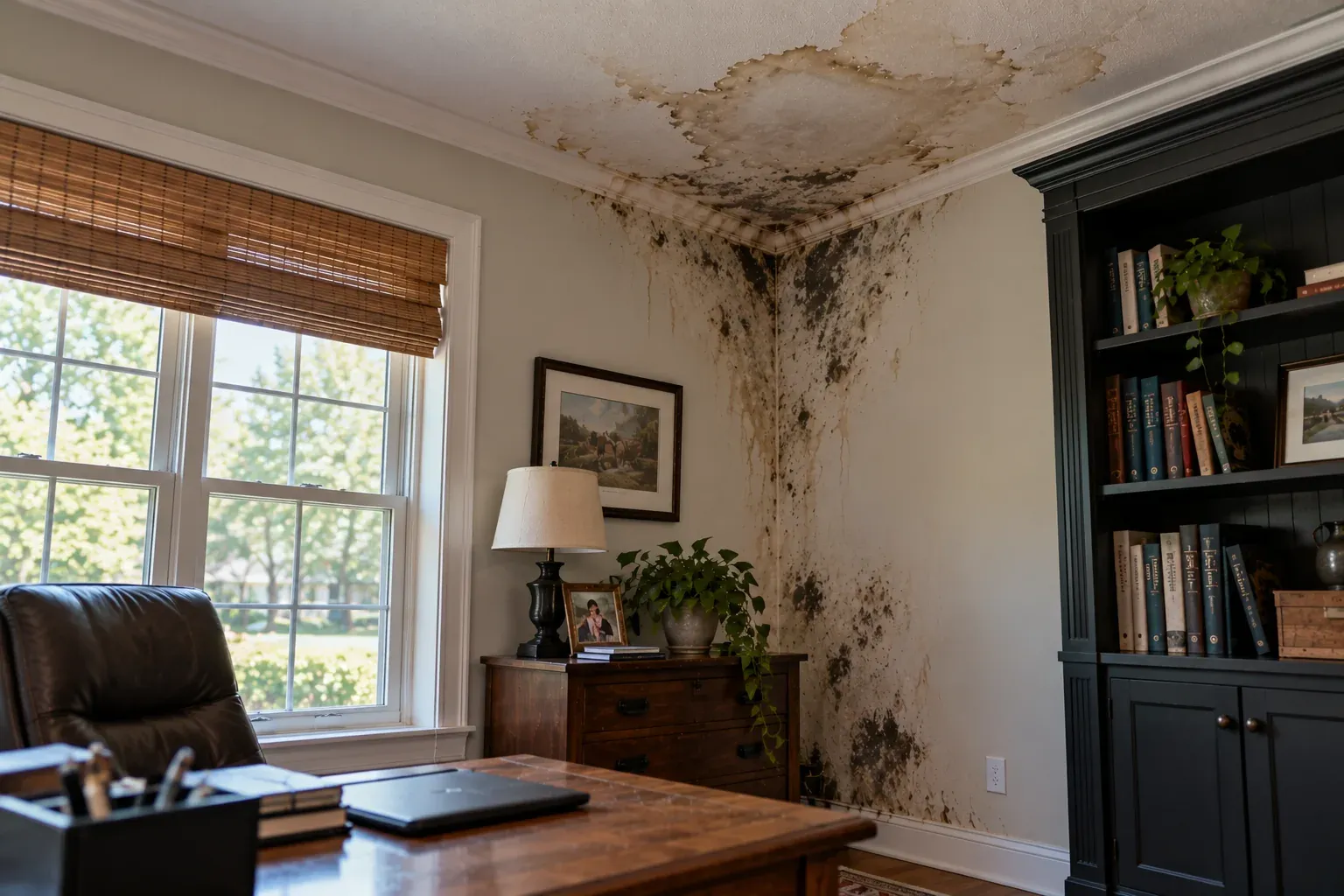
Mold Remediation in Gettysburg, PA
Mold is a symptom. Water is the problem. We find out why it started, fix the cause, remove the mold, and dry and treat everything before a single wall goes back up. Serving Gettysburg, Hanover, Littlestown, New Oxford, Carroll Valley, and Taneytown since 2012.
Mold Inspection, Removal, and Water Damage Restoration in Gettysburg, Pennsylvania
Gettysburg Mold Remediation Pros handles the whole job from the Wye Alley shop: mold testing, IICRC S520 remediation, structural drying, basement, crawl space, and attic mold, indoor air quality, and the light repairs that put the room back.
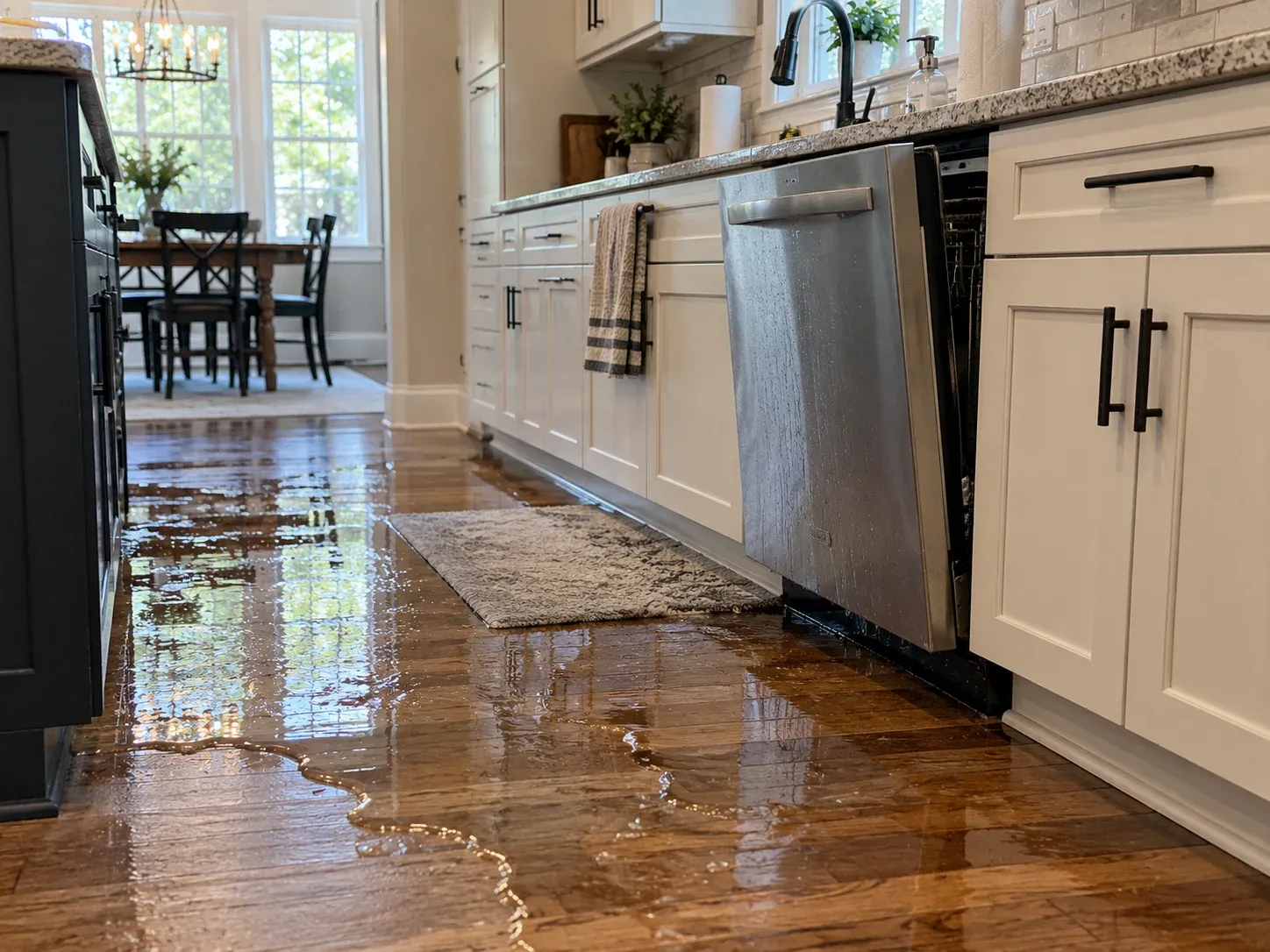
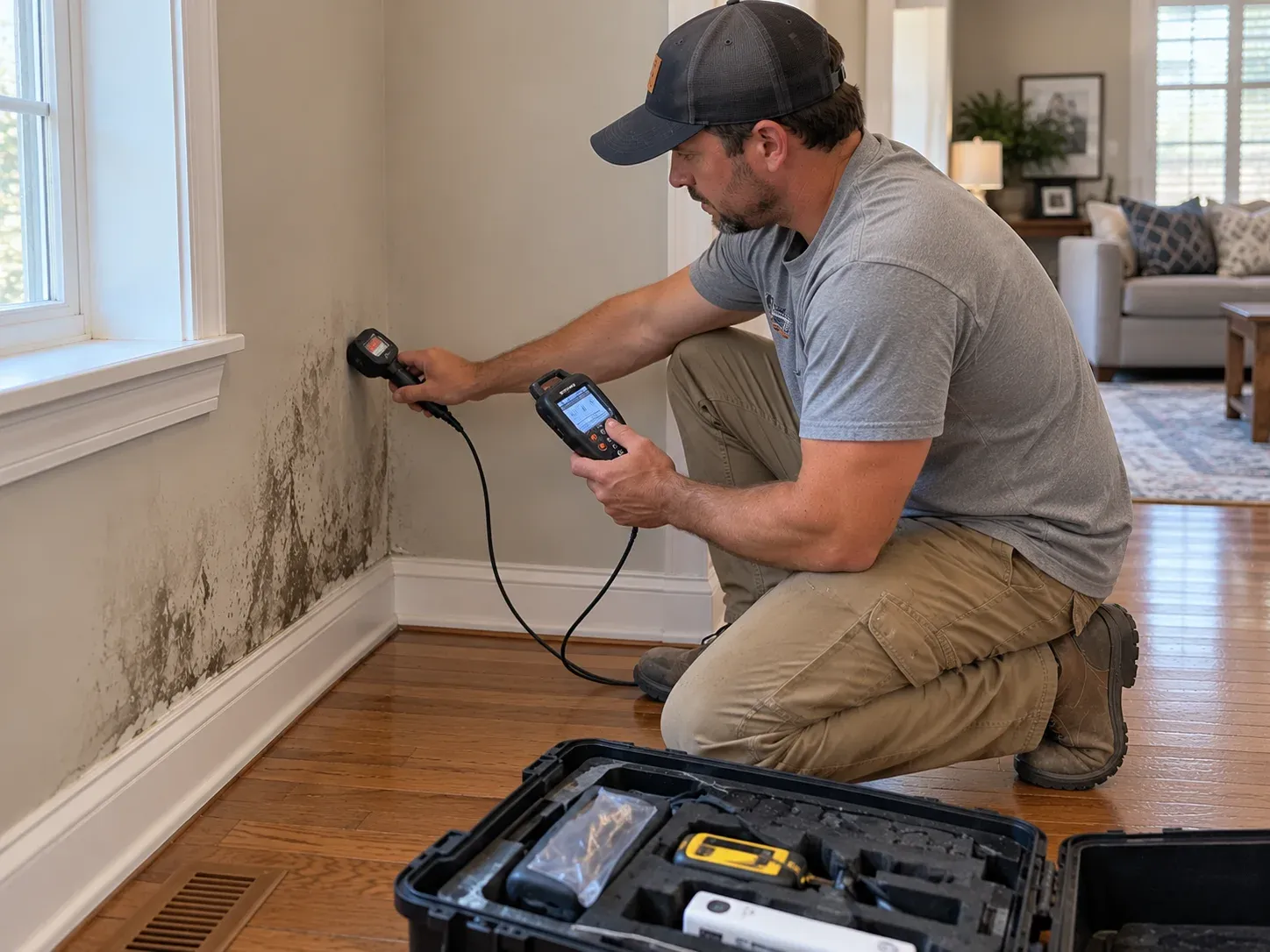
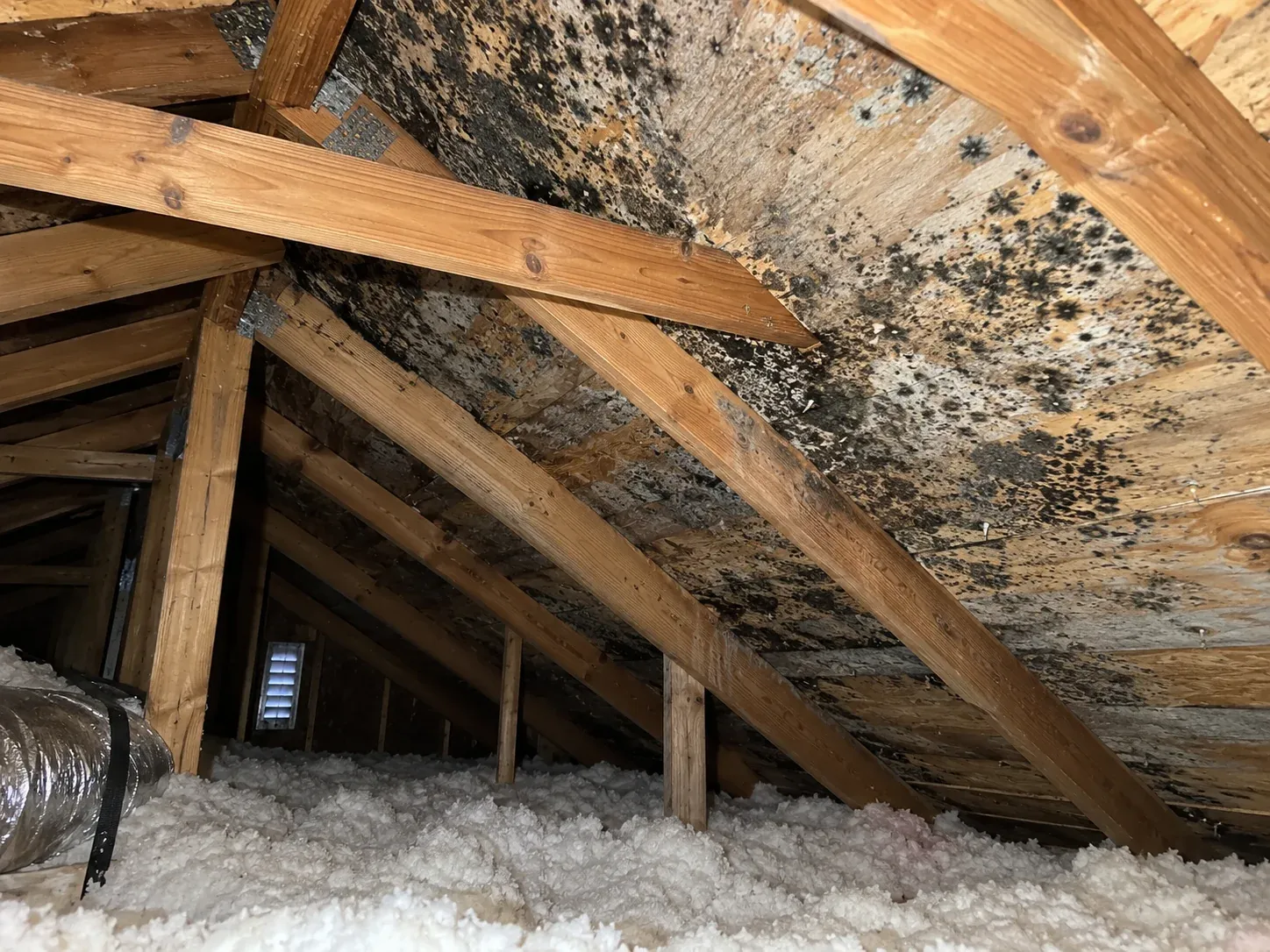
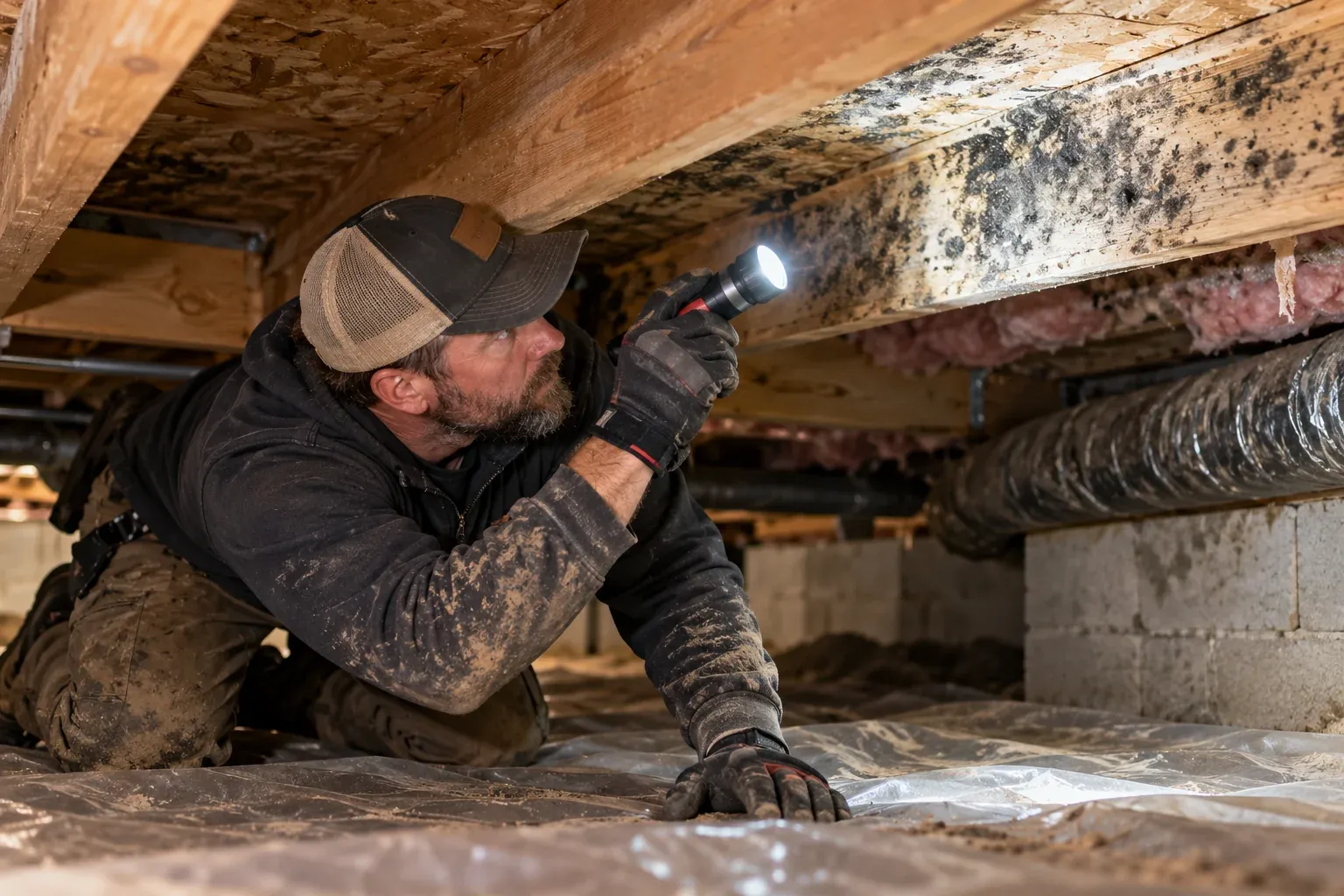


Gettysburg's Owner-Run Mold Remediation Company
Chuck Dalem spent years running water damage jobs for a national restoration franchise and watched too many walls go up over damp framing. In 2012 he started this company with one Chevy S10. Today it is a fleet of trucks, a full crew, and our own building on Wye Alley.
Chuck still goes out on jobs, and every one runs to the IICRC S520 standard: moldy material gets removed, not sprayed and hidden.
- Locally owned since 2012
- Written scope and price before work starts
- 1-year warranty on every residential job
Four Things a Rushed Mold Job Skips
Most of our redo work traces back to one of these. Every job we run covers all four.
Water First
Rushed jobs treat the stain and leave the leak. We find where the water is coming from before anything else, because mold that is not starved of moisture is back in a season.
Contain It
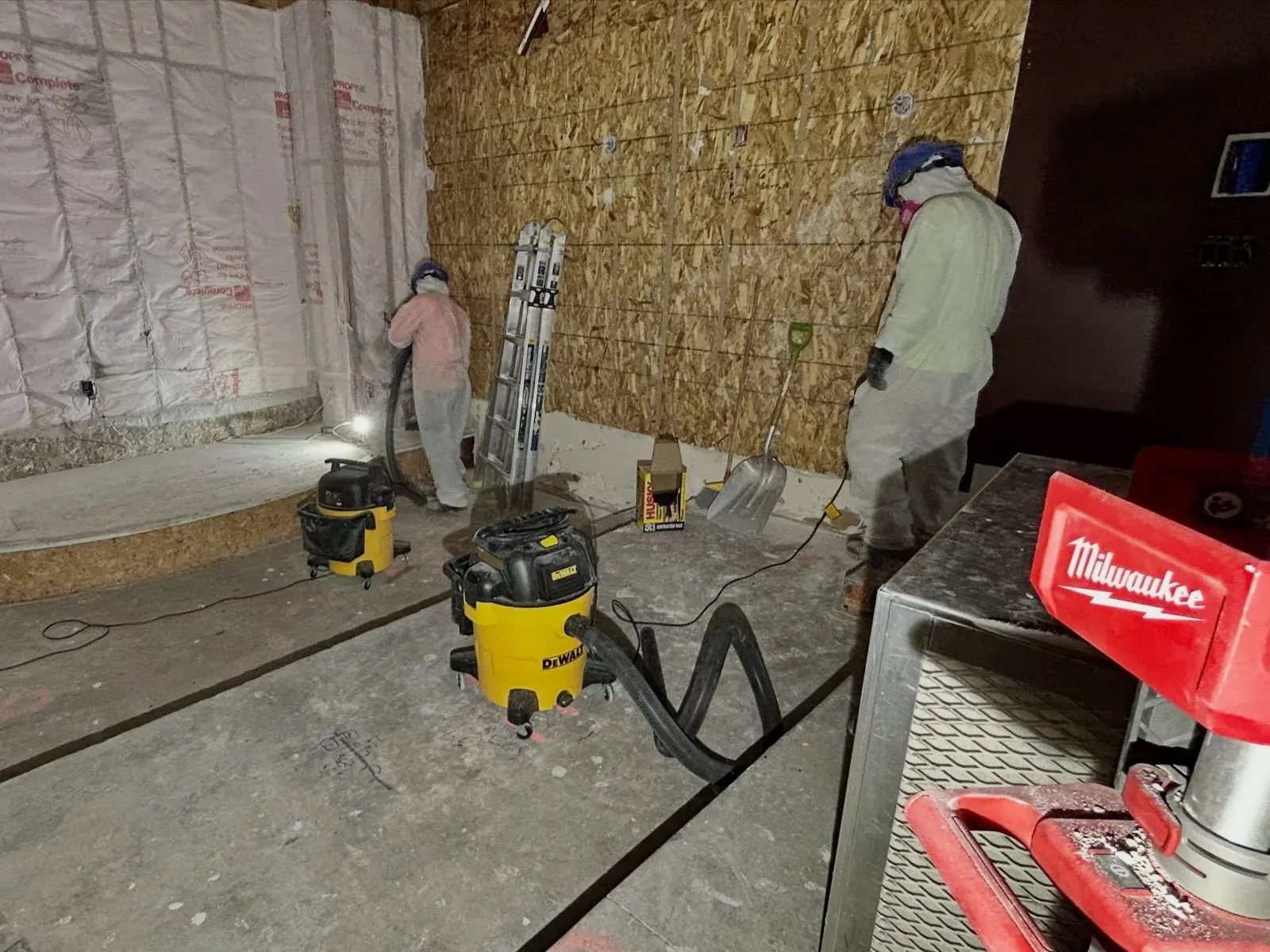
Cutting into moldy drywall without sealing the room sends spores through the whole house. We tent the work area in plastic and run HEPA scrubbers under negative pressure.
Remove It
Fogging and spraying leave dead mold in the wall, and dead mold still causes reactions. Porous material with growth comes out in sealed bags, the way the S520 standard requires.
Dry, Then Close
Walls that go up over damp studs are where callbacks come from. Framing hits dry standard on the meter and gets treated, and only then do we patch, floor, and paint.
So Here Is What a Real Mold Company Shows You
Pennsylvania doesn't license mold companies, so certifications and a real address are how you tell a pro from a guy with a sprayer.
Where Mold Starts in Gettysburg, PA Homes
Pennsylvania has some of the oldest housing in the country, about a quarter of it built before 1940. Around Gettysburg that shows up in four ways.
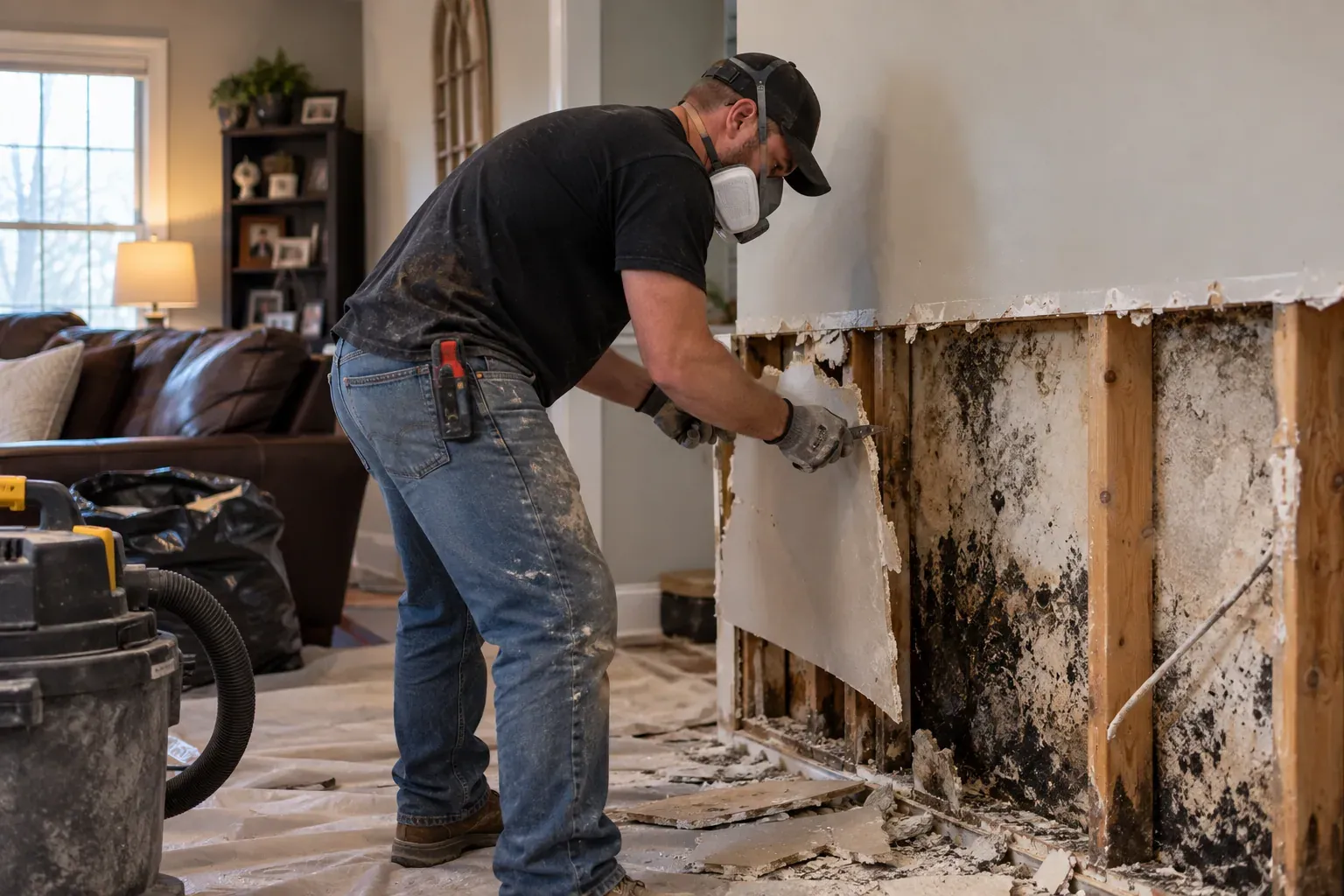
Fieldstone Cellars in the Borough Core
The 1780s to 1890s brick homes between Lincoln Square and Steinwehr Avenue sit on rubble and fieldstone foundations. Humid 80s-and-90s summers hit those cold walls and condense. Growth on the joists and the stored boxes follows.
Split-Level Basements in Colt Park and Twin Lakes
The 1960s to 80s ranches and split-levels, many with finished lower levels: carpet on the slab, drywall tight against block, no vapor barrier. Musty every July, and mold behind the paneling by the time anyone looks.
Tight New Homes at Amblebrook and The Links
Built since 2000 and sealed for efficiency, which also seals in moisture. Owners travel, the AC sits off through a humid week, humidity climbs past 60 percent, and mold gets a two-week head start.
Wells and Crawl Spaces off the Fairfield Road
Cumberland Township farmhouses and large lots: dirt-floor crawl spaces, pressure tanks, sump pumps, and outbuildings. Ground moisture and a pump that quits in a spring storm are how most of these calls start.
Gettysburg and the Towns Around It
Our shop is in Gettysburg Borough. We cover Adams County, the Hanover side of York County, and across the line into Taneytown, MD. Farther out is case by case.
- Gettysburg, PA
- Littlestown, PA
- New Oxford, PA
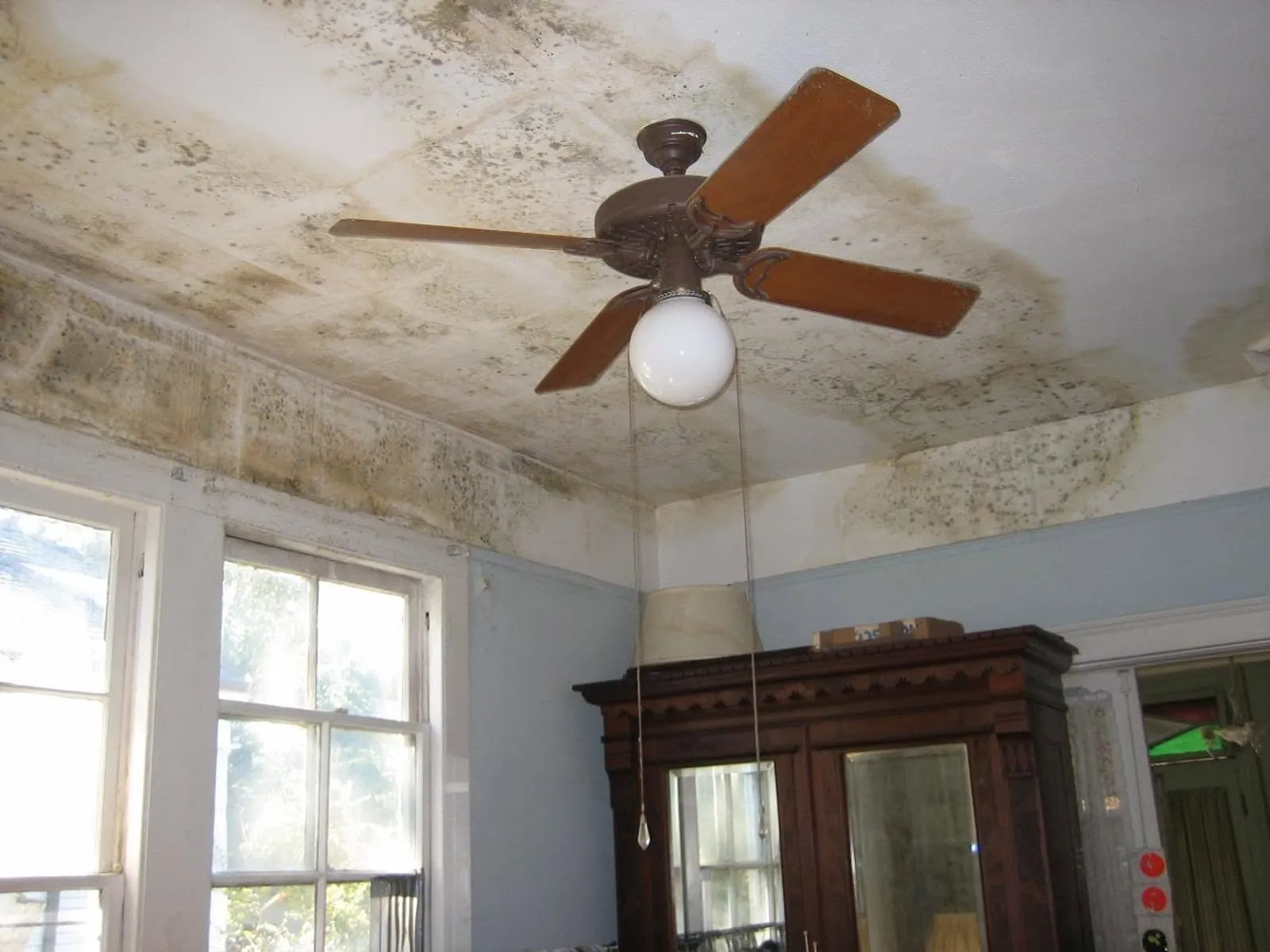
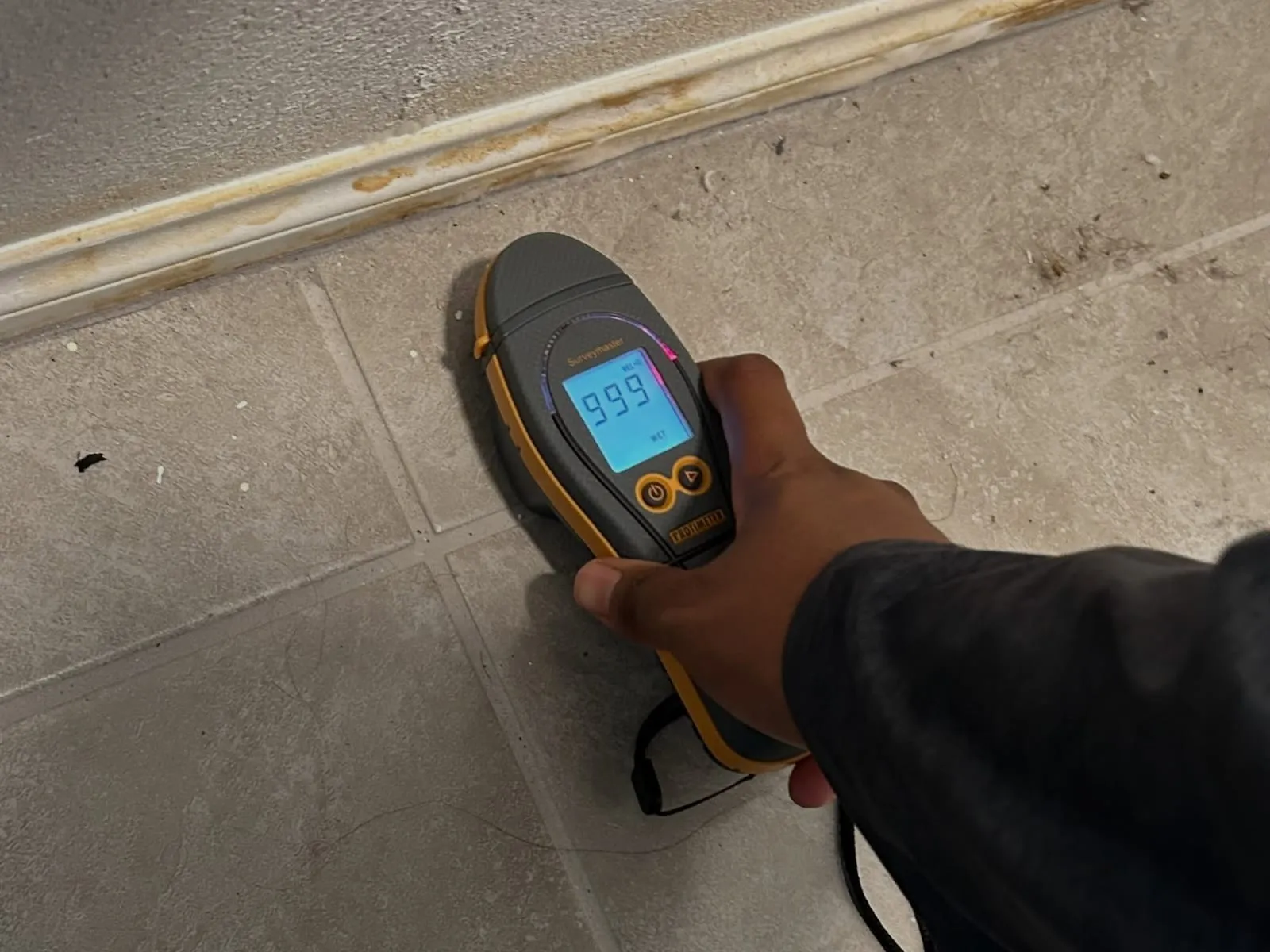
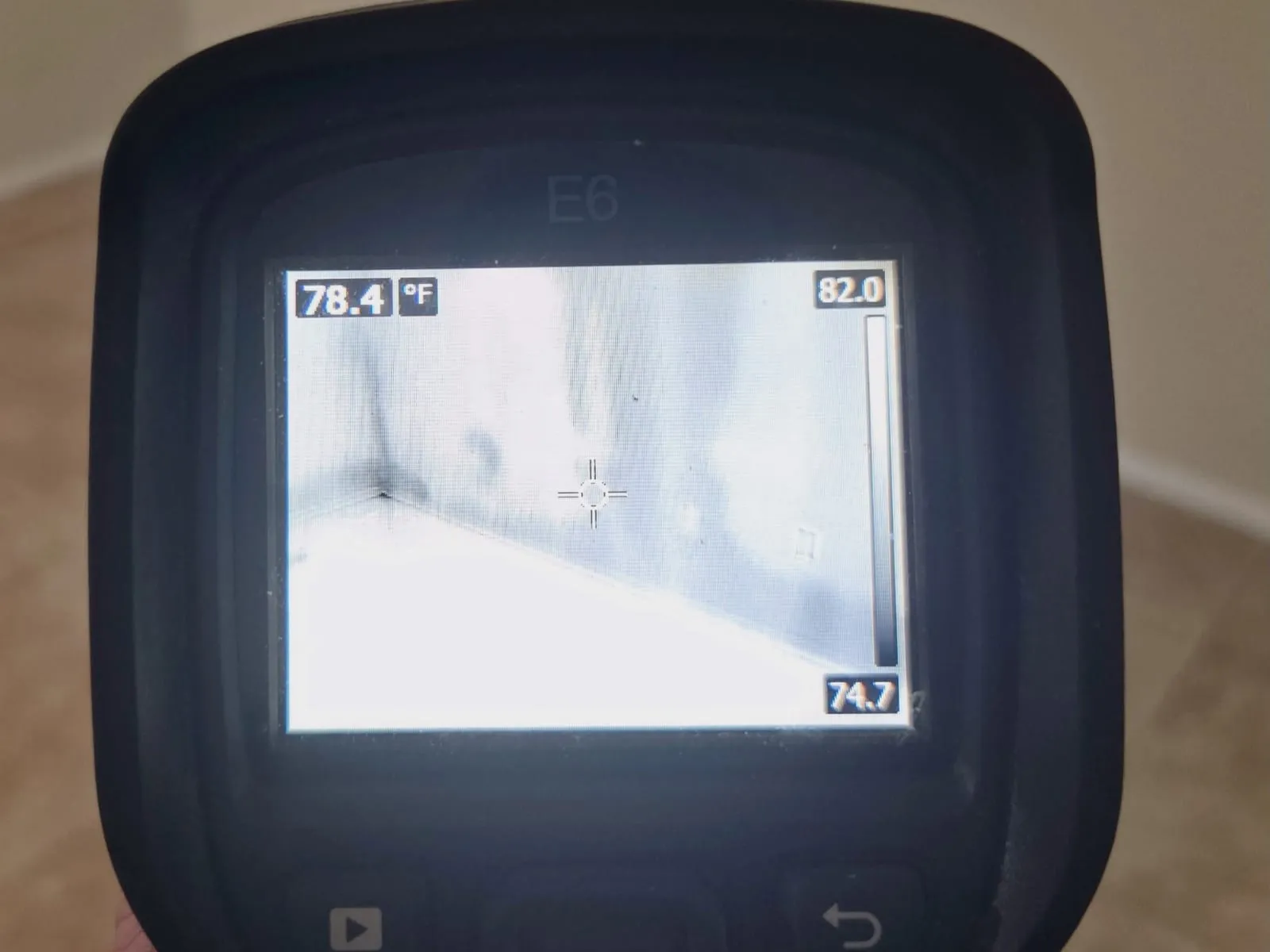
From Gettysburg Job Sites
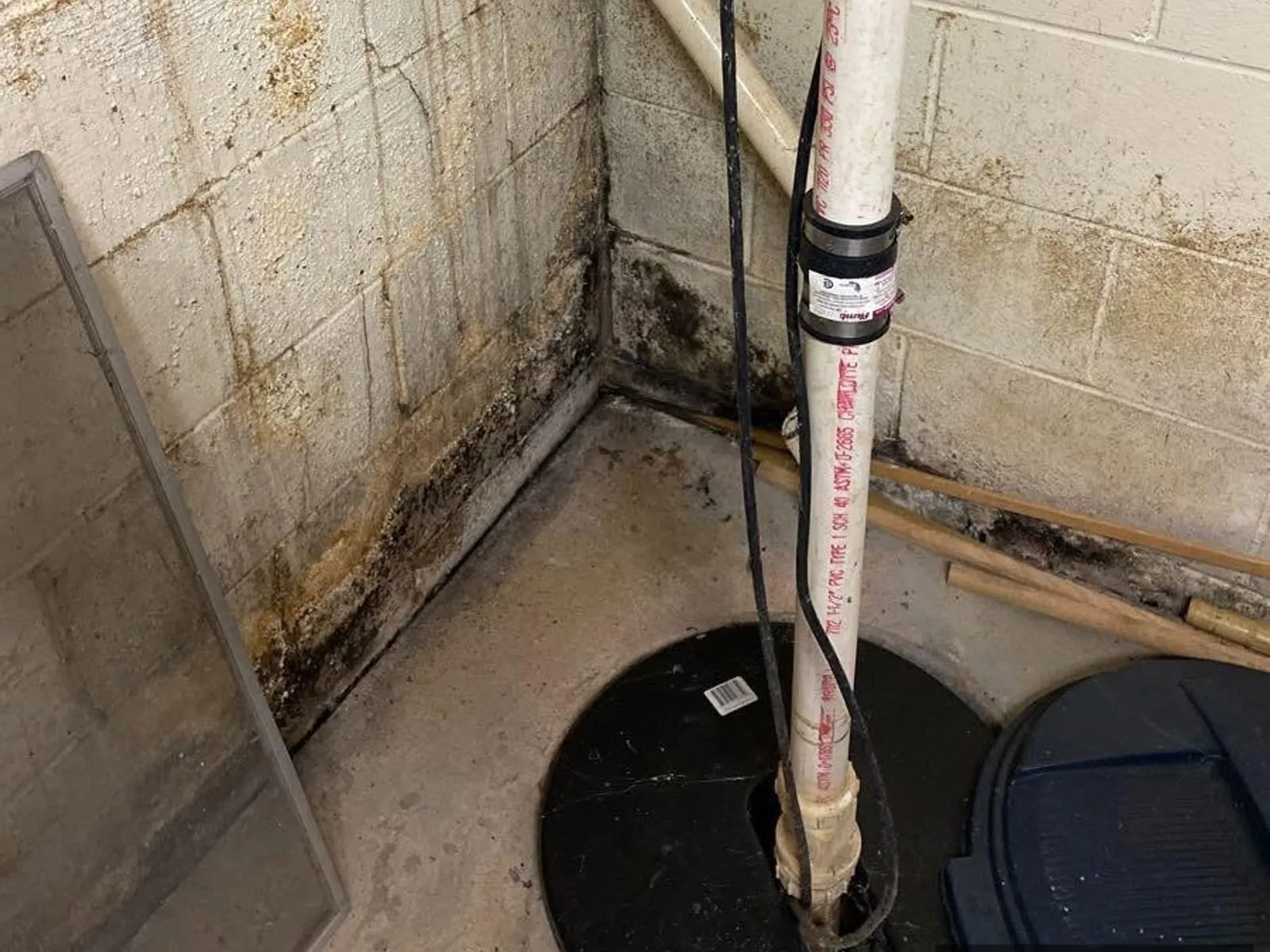
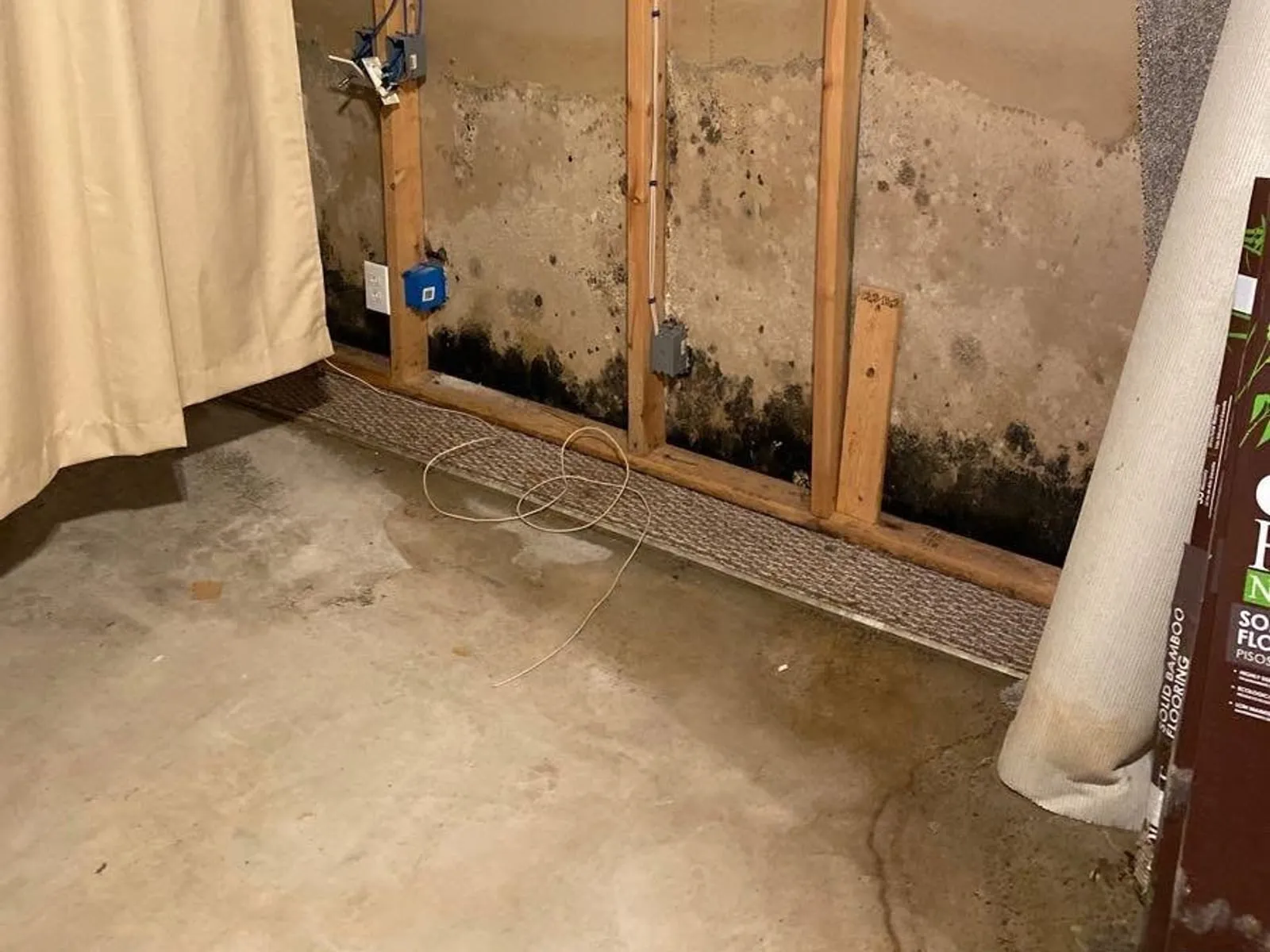
What Gettysburg Homeowners Ask Us
How do I know if I have mold if I can't see it?
The two most common signs are a musty smell that gets stronger when the HVAC runs and allergy symptoms that ease when you leave the house. Peeling paint, bubbling wallpaper, soft drywall, and a recent leak are the others. If you've got any of those, an inspection with a moisture meter usually finds the source. If you can already see the growth, you don't need a test to confirm it.
Is it black mold? Is that the dangerous kind?
Color doesn't tell you the species, and the CDC doesn't treat any indoor mold as uniquely dangerous. Cladosporium is dark and very common. Stachybotrys, the one people call black mold, needs a long-term leak to grow. Either way the cleanup is the same: find the water, remove the material, clean and dry. Anyone in the house with asthma, allergies, or a weak immune system should talk to their doctor.
Can I just clean it with bleach?
On a hard surface like tile, a small spot, sure. On drywall, wood, or anything porous, no. Bleach isn't recommended by the EPA for routine mold cleanup and it doesn't remove the growth. Dead mold still causes reactions and still has to come out. The EPA's rule of thumb is that anything over about 10 square feet is a job for a pro.
Will my homeowners insurance pay for this?
Usually only when the mold came from a sudden, covered event like a burst pipe or a failed water heater, and most policies cap mold at $1,000 to $10,000. Slow leaks, humidity, and groundwater are almost always excluded. We document everything with photos and moisture readings so your adjuster has what they need. We don't promise coverage, and we can't tell you what your policy says.
Find the Water. Remove the Mold. Get Your Home Back.
(267) 828-9088Request an inspection- Started in Gettysburg in 2012
- IICRC AMRT and WRT certified
- 1-year warranty on every job
- Chuck is on the job, not just the phone